

What Ultra High Net Worth Individuals Want From Their Homes in 2025
Trends don’t wash with wealthy clients because they spell something widespread. High-net-worth individuals want possessions and experiences that no – or at least few – others have. They want a design that is highly personalised, not prescriptive. But certain themes underpin the shape of luxury design. By calling on our experience of working with wealthy clients all over the world, sprinkled with a spot of future-gazing, here is what we think lies ahead in the coming year.
By Nicolas Roux
Founder & CEO - Rive Gauche


Digging down remains popular because, when done well in super-prime locations, subterranean space adds invaluable square footage.
The lack of turnkey stock on the London market means that buyers, after up to a year of searching, realise the solution lies in building it themselves. And despite limitations on basement digs in prime areas of London, including Kensington & Chelsea and Westminster, digging down remains popular because, when done well in super-prime locations, subterranean space adds invaluable square footage. Foxtons estate agency calculates that adding a full-storey basement to a house in Kensington & Chelsea can add 96% to the property’s value, 84% in Camden and 78% in Westminster.
The big driver for clients like ours is the ability to have every amenity they want without needing to leave the house.
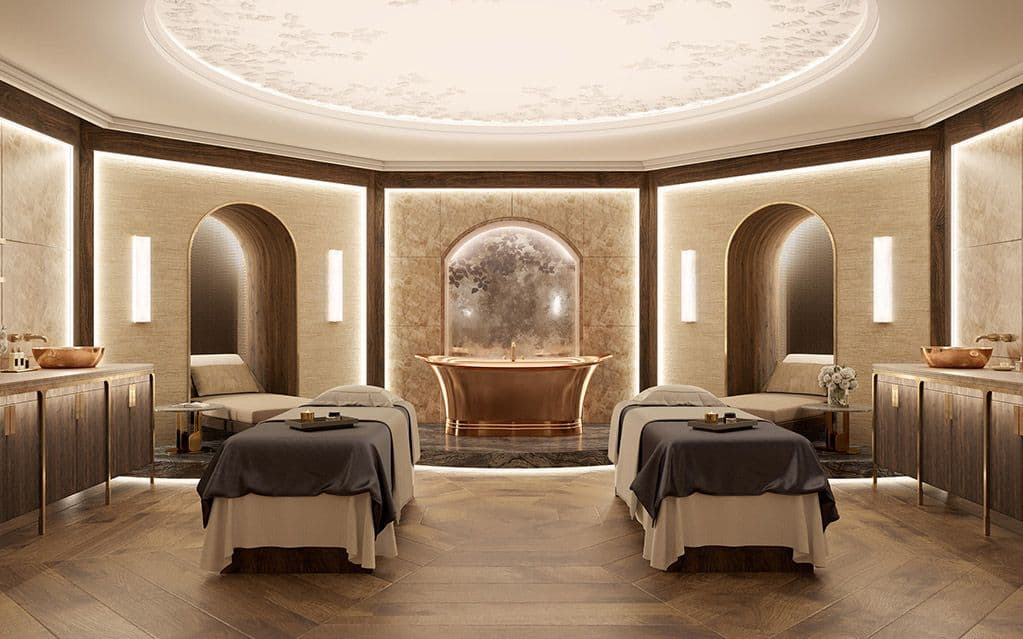
And beautifully designed underground space (that doesn’t look or feel subterranean) is ideal for that. Many use their gym and pool every day. They want a spa and hair salon at home, too. It’s about convenience, but it’s also about security. They prefer to do these things in the comfort and privacy of their own home. As extreme wellness becomes normalised, too, we expect demand to rise for what, until recently, were considered niche features such as cryo chambers, customised ‘experiential’ saunas and sensory showers. This is one area of interior design that we’re seeing men fully engage in too.

Younger clients do not feel the need to impress – certainly not through material shows of wealth anyway.
The super-rich are getting younger. Not in a Benjamin Button way, much as they may use their cryo chambers, but many of our clients are in their 40s or under, are highly successful, and have the kind of budgets that enable them to design the home of their dreams. Their tastes, though, differ greatly from those of the HNWs that preceded them. They don’t want wine walls, whisky bars or cigar rooms as those old-school hobbies belong to a different generation of wealth.


What matters to them is lifestyle and well-being, and their homes reflect this.
Their preferred style is often pared back and calming; their big purchases will be a feature that enhances their health, whether it’s a particular piece of fitness equipment or a whole-house air purification system controlled by an app. Their home is a place in which they want to feel healthy. While the super-rich are getting younger, children like to think they are a lot older than they really are – and by the time they are about eight years old, they no longer want colourful wallpaper and cuddly elephants. They want bedrooms that resemble grown-up reception rooms for their friends.
This partly comes down to the role of technology in their lives – and, like the electronic devices they love, their tastes have a short shelf-life and evolve quickly, so they want a total re-design each year. Perhaps, though, as more and more parents start to avoid giving smartphones to their pre-teens, we’ll start to see a return to design for children that embraces playfulness again. Rooms that are devoid of screens and gaming chairs and instead provide cathartic, wind-down spaces. That chimes, too, with some clients’ desire to have rooms that are shielded from harmful rays of any kind. It comes down to wellness again. If you can afford it, then you want a home that enables you to lead the best life you can.
Sustainability is built into the plans of big hospitality brands and is a major pillar of their ESG commitments.
Large residential developers also chase the highest sustainability credentials for a similar reason. Buyers are happy to have it, but they need to see its value. That means knowing they are not paying an excessive premium for green options. But, crucially, it also means knowing that there’s no element of compromise involved. Clients want to be assured that their sustainably designed property will look just as luxurious as one with less of a sustainability focus.
That comes down to us, as designers, to raise awareness of sustainability and bring it further up the design agenda – and we think this will happen far more in 2025. New ways to use ‘green’ materials to create a luxurious effect are emerging all the time, from a leather-like fabric made of fungi to eucalyptus-timber joinery. They look and feel every bit as opulent as their non-sustainable counterparts, and it’s our job to prove that to our clients.
Kitchens have long been called the heart of the home – but they are increasingly becoming one of the smallest rooms in some of the largest homes we design. HNW clients still like a statement island as a place to chat and a restaurant-quality coffee station for breakfast time. But many feel there’s no need for a large, fully-functioning kitchen anymore as they rarely cook. They can order from high-end restaurants, or they have a personal chef to take care of their cuisine in a discreet kitchen at the back of the house.
The penthouse we transformed and extended in Hyde Park Gate is the perfect example. It’s a large, extremely high-end duplex property of around 4,200 sq ft, with expansive bedrooms, dressing rooms and bathrooms. But the kitchen is small in relation to the rest as that’s not where families at this level – who often travel among multiple homes – see their nucleus.
The preference for bespoke design will continue undimmed among wealthy clients.
From handmade pieces of furniture to specially-commissioned art, they enjoy the story behind it: the artisan who salvaged the local fallen tree that made the table, for example, or the sculpture that represents the sound waves of birds in the adjacent park, to give two real examples. But more than anything, they love the fact that they have something that no one else possesses. Stories are meant to be told – and there’s nothing better than impressing guests with the tale behind the dining table they are gathered around.
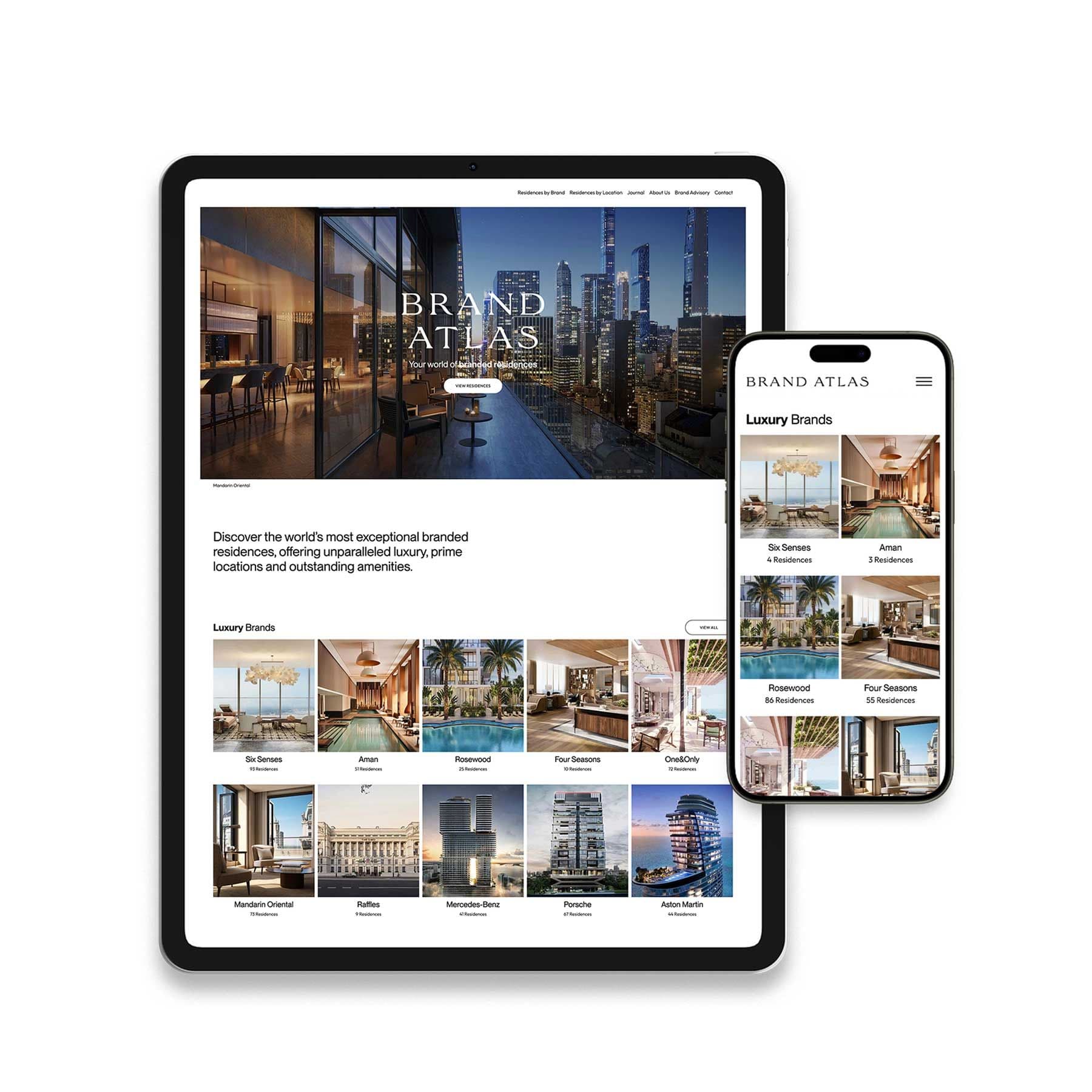
Brand Atlas is the world’s leading branded residences platform and brand consultancy.
Offering the definitive collection of the finest luxury branded residences in the most coveted locations, we give buyers and brands a unique opportunity to connect in this highly desirable and fast-growing market.
We work exclusively with leading brands, recognising the loyal relationship they share with their international audiences - and the exciting extension of luxury lifestyles through exceptional properties.
Providing an unparalleled and unbiased global overview, we enable buyers to see where their favourite brands are developing residences and to enjoy exploring and experiencing these exceptional properties.
Brand Atlas showcases the world’s finest branded residences on one digital platform, allowing global UHNW buyers access to a definitive collection of properties through a prestige network and top-tier technology.
Related News
How to Build a Branded Residence: A Guide for Developers
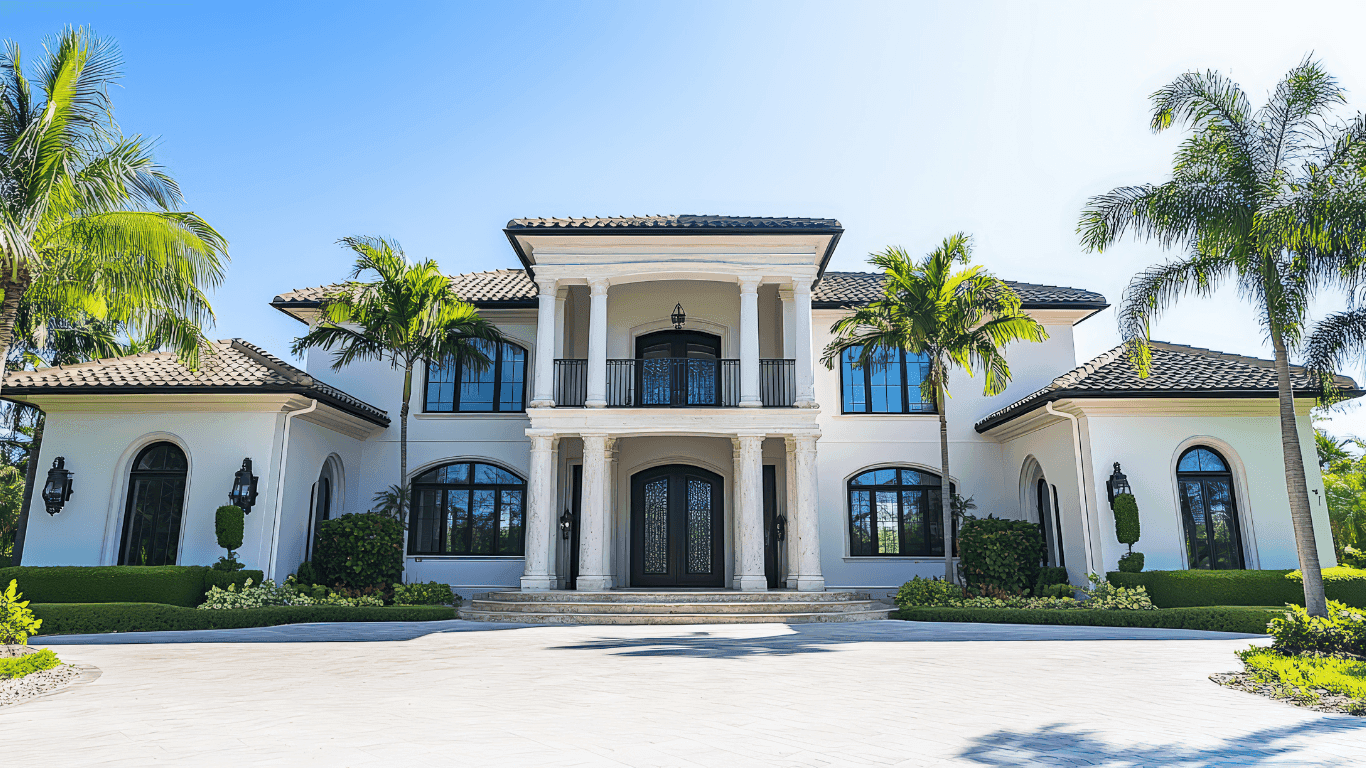
The global luxury real estate market is currently going through a massive, seismic shift. We aren’t just talking about a small trend here; we are talking about a complete evolution of high-end property. Branded residential homes that are developed in partnership with prestige hospitality, fashion, or even automotive brands have evolved from a tiny niche asset class into a dominant force in the industry.
Pros and Cons of Buying a Branded Residence: Is It Worth the Premium?
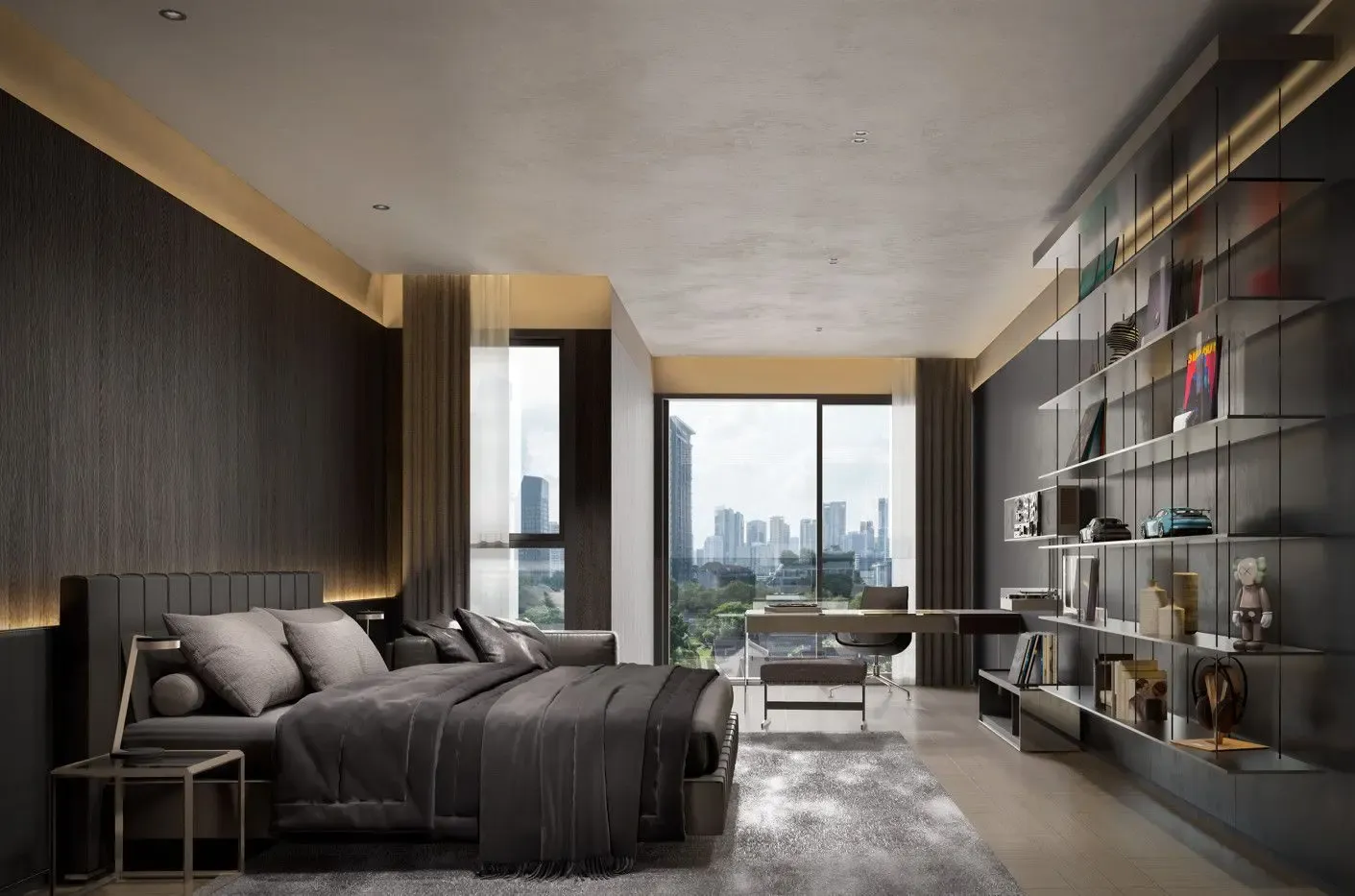
Imagine waking up in a home where five-star hotel service is just a phone call away. A barista in the lobby prepares your morning coffee, your laundry is whisked away by housekeeping, and a concierge has already booked your dinner reservations. This isn't a holiday, it's everyday life in a branded residence.
Best Branded Residences in Thailand For Investment
Thailand has firmly established itself as the global leader in the branded residence sector. Currently controlling 23.3% of the Asia-Pacific market, the Kingdom offers a unique proposition for international investors: luxury assets that combine private ownership with the service standards of world-renowned hospitality brands. For investors, the appeal goes beyond prestige. It is about performance. Market data indicates that branded residences in Thailand are seeing sales increase by 20% year-over-year, driven by high-net-worth individuals seeking assets that offer both lifestyle benefits and tangible financial returns. Whether you are looking for capital appreciation in a bustling CBD or rental yields from a beachfront villa, the Thai market offers diverse opportunities. In this guide, we explore the best branded residences in Thailand for investment, analyzing their location, unique selling points, and financial potential.